

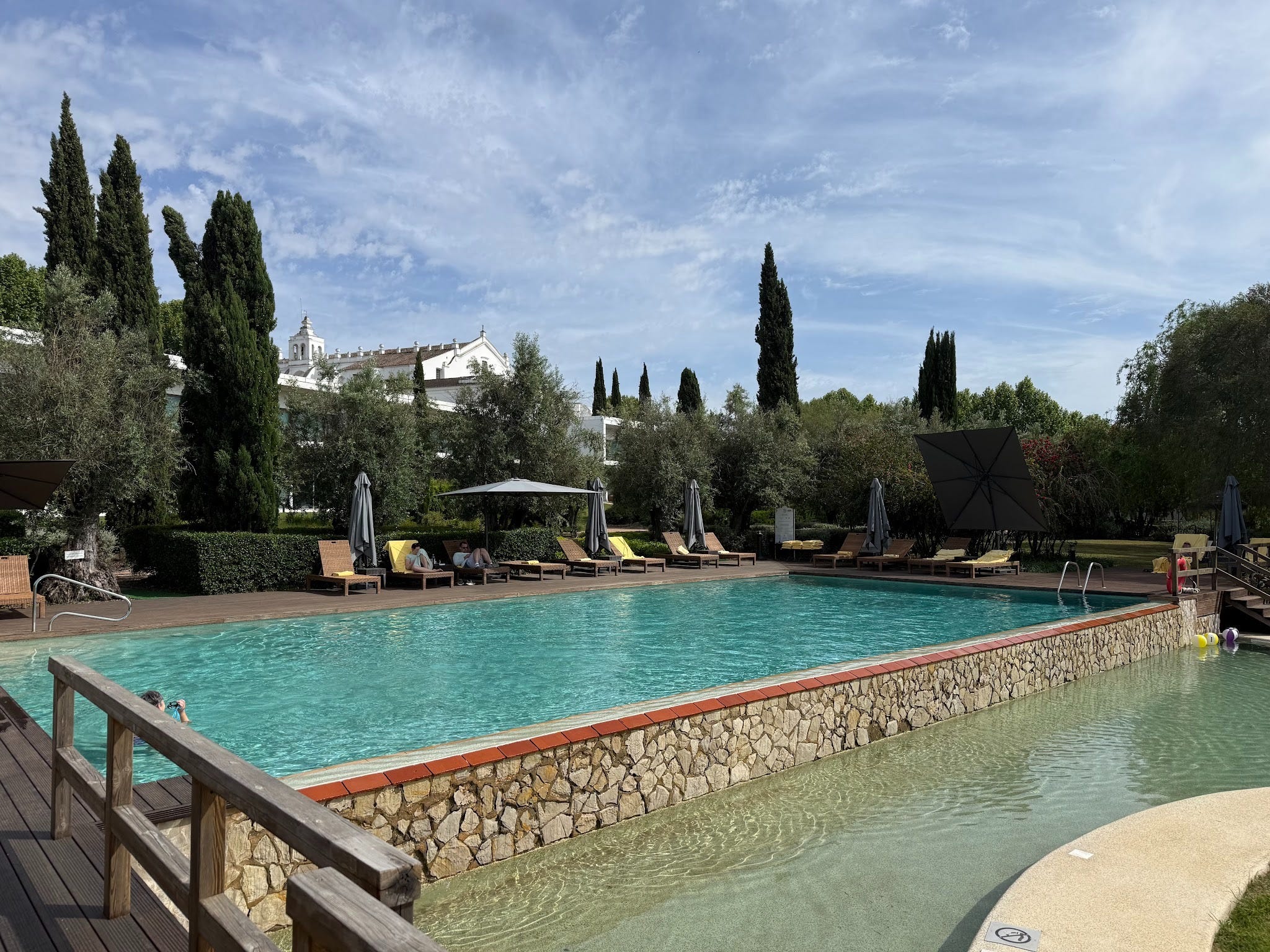
Many thanks to the team at Revent in Berlin, who invited me to speak at their inaugural Founder Summit in Portugal in late April. The venue was stunning, the founders were candid, and the conversations lasted long after the sessions ended.
I based my keynote on Train Like a Startup Athlete, a perfect topic for a diverse set of founders running different kinds of businesses in different countries.
A few themes emerged over the weekend, both in the official sessions and also in late-night conversations over drinks:
The struggles of a founder are universal
All founders struggle to manage stress, avoid burnout, get the best performance from themselves and their teams, and try to keep a semblance of a personal life. We talked about it on panels. We talked about it over late-night drinks. We talked about it at olive oil and wine tastings.
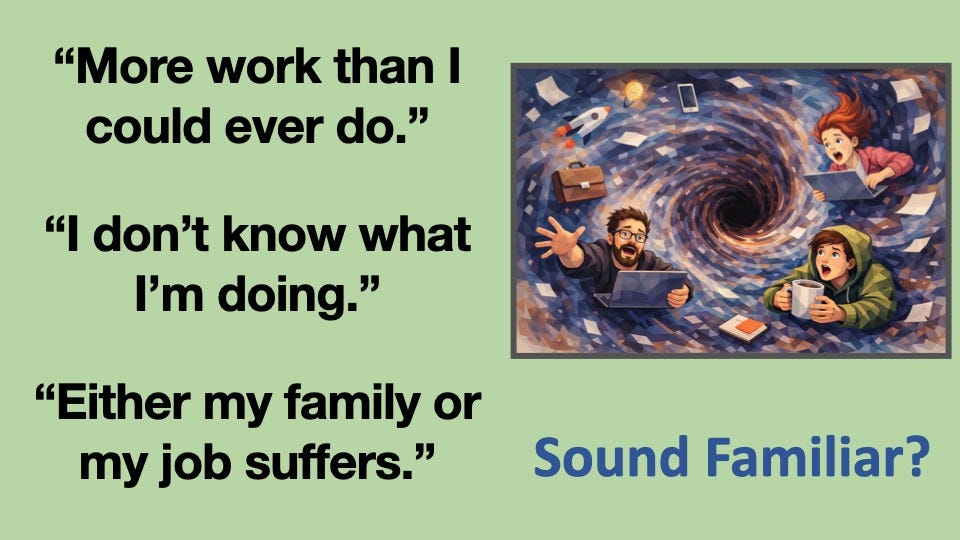
My keynote was the first session, and it was a great way to kick off the conference, as it gave us a shared conversation topic. I urged the audience to ban “we’re crushing it” from their vocabulary for the weekend and instead use the after-hours networking time to be honest about the challenges we all face in running our companies while building a life. It worked.
AI is turning up the heat.
Founding a startup has never been easy, but a common topic in the sessions was how AI has shifted the demands on a founder:
Competition is fierce - a startup has always needed to compete against incumbents and a few peer startups. Many founders now compete not just with startups, but with platforms like Anthropic — and with customers building in-house solutions. The founders felt they need to adapt faster than ever because their markets can shift in weeks.
The bar is higher - a SaaS startup adding a few million in ARR per year is no longer interesting to many investors compared to the AI juggernauts reaching $100 million in just a few years. Some founders were surprised by how little investor interest they received despite reaching several million in revenue quickly. Many will need to get profitable early and not assume venture money will arrive.
Hiring is more important - most teams are not growing as quickly as they would have pre-AI, but that just raises the importance of each hire. Most of the founders reported struggling to hire amazing, high-agency, AI-native staff.
Experience is less valuable - a founder used to be able to recruit an experienced head of marketing or sales and largely hand off major functions to them. Today, those positions need to be filled with AI-first leaders. Some founders landed seasoned executives only to discover they were far less effective than AI-native peers elsewhere.
Start with stories
I always counsel founders to use storytelling to sell their startup to customers and investors. I started with a story about the busiest year of my life, when I co-founded Vontu, had my first child, and had one of my best triathlon seasons ever.
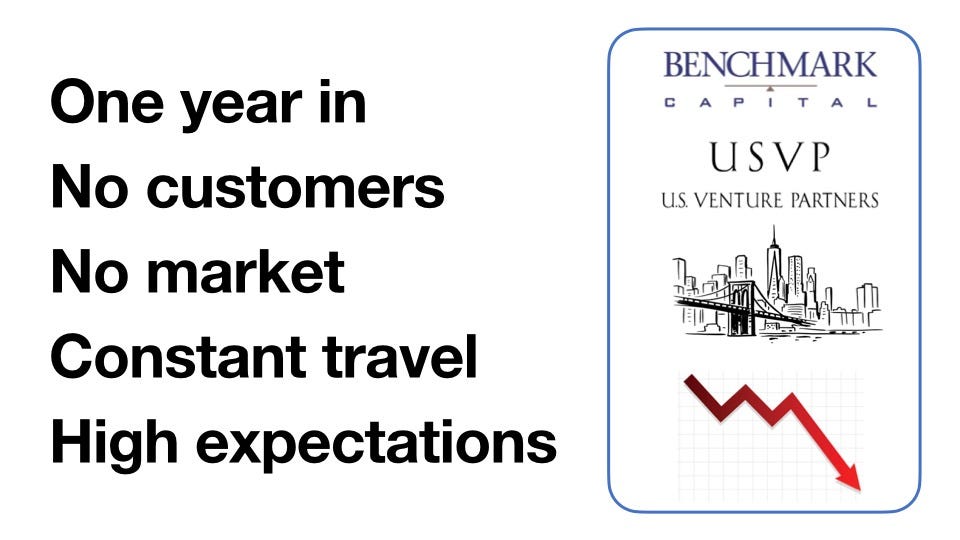

Out of necessity, I developed habits that helped me stay productive and sane at work and at home. Those lessons informed how I run my life and my advice for founders, but I was also clear that it’s still a struggle for me. Juggling work and life is a lifelong pursuit that no one ever fully masters.
Change your mindset
The world is awash with advice on performance and productivity, but none of the advice sticks without the right beliefs.
Most founders create a false tradeoff between investing in themselves and investing in their startup. They assume that an hour spent at the gym or catching up on sleep, while good for their health, is an hour they are short-changing their startup. This adds tension to every decision. Should I work late or have a date night with my spouse? Should I go to bed on time or stay up til midnight answering emails? Founders feel like every decision lets someone down.
“Startup Athlete” works because everyone understands how obsessively elite athletes invest in performance.
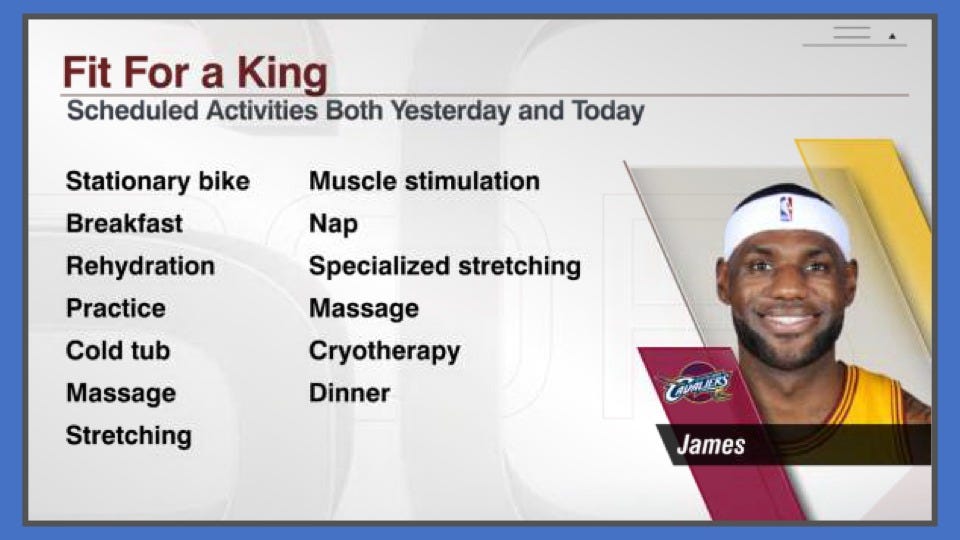
No one thinks LeBron James or Lionel Messi are “lazy” because they obsess about their nutrition and getting a good night’s sleep. They are paid to perform. Founders are paid to perform, too, and they are doing a disservice to their company if they show up in the office tired, cranky, and distracted. Once founders understand this they are more likely to invest in their personal performance.
Pay yourself first
During my session, I shared some tips and tricks I’ve used to try to be a “Startup Athlete” then led a discussion where others could share how they “pay yourself first” by prioritizing investments in their physical and emotional fitness, such as:
Putting workouts on their calendar, blocking the time, and making them non-negotiable.
Scheduling a weekly date night with their partner.
Morning rituals, like achieving “Inbox Zero” and committing to 2-3 must-do tasks every day.
Moving close to the office and walking or biking to work.
Building AI agents to automate rote and recurring tasks.
Doing 1-1’s during strolls around the block instead of sitting in a conference room.
Different approaches work for different founders, but every founder needs to prioritize, experiment with, and commit to a few rituals to get the most out of themselves at a sustainable pace.
Focus on effort, not time
A startup will always require long hours, but too many founders think of effort in terms of hours worked.
Long hours help, but results are usually driven by spending those hours doing difficult but important things. This could mean giving hard performance feedback to a team member, leading a difficult negotiation with a customer, or making an impossible decision to pivot or stay the course.
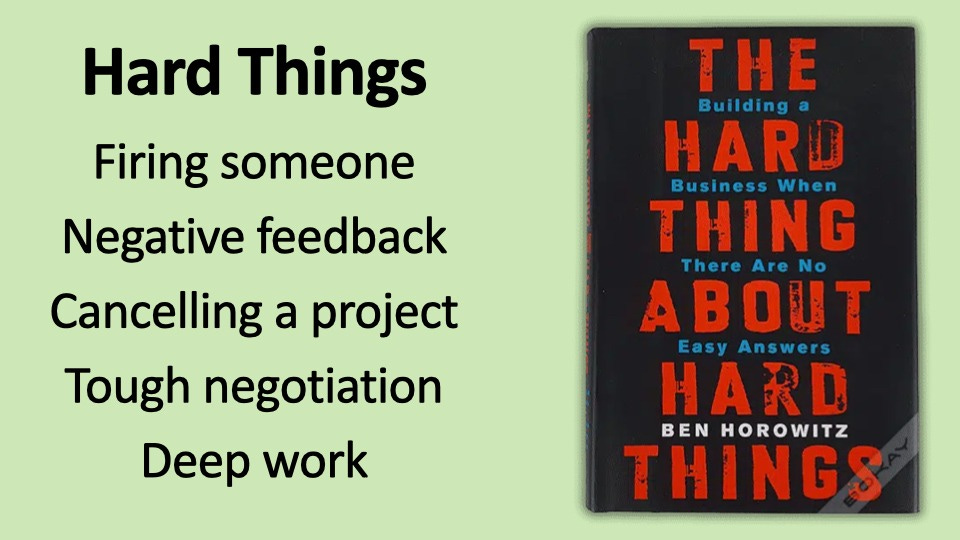
The question I always ask an audience is, “What’s the thing you are most dreading?” The answer usually involves a difficult conversation with a team member. I then ask what is keeping them from going into work on Monday morning and doing that exact thing. It’s never time. It’s always energy.
Turn your team into athletes
A startup needs the entire team to be high performers, not just the founders.
This starts with the founder leading by example, making the investments we are discussing here, and telling the team why.
Founders also need to push their teams to perform, encourage them to make “Startup Athlete” investments, and ask what is preventing them from achieving their goals, starting with using one-on-one time to cover those topics.
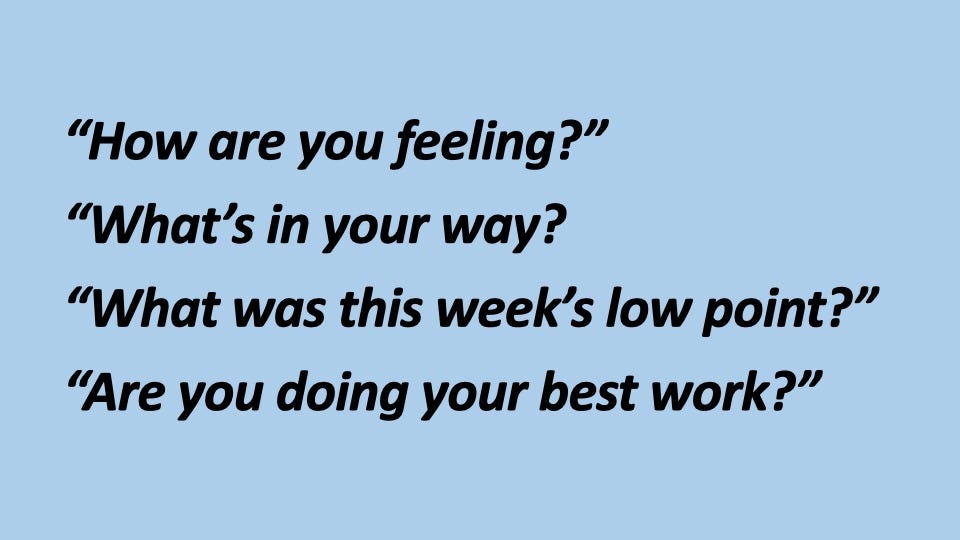
A “Startup Athlete” culture can make a startup a fulfilling place to work, but not necessarily an easy one since it focuses on results. Many team members expect to be rewarded for their input, not their output. One of the hardest things in business is a hard conversation with someone who is working 80 hours a week but whose job is in jeopardy because they aren’t performing despite the hours they are putting in.
The “Startup Athlete” framework has legs
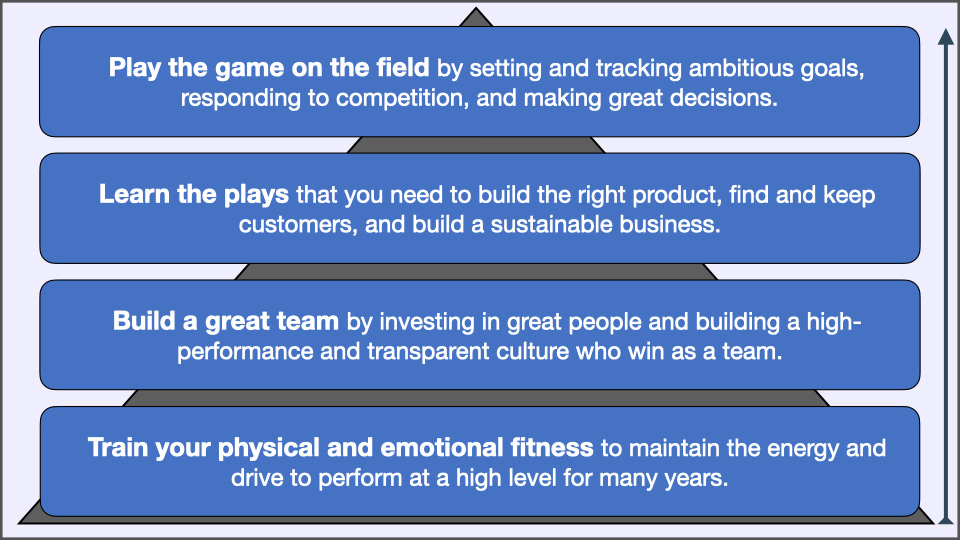
“Startup Athlete” isn’t just a framework for founders to achieve peak performance. It can also be used as a guideline for running the company. Look for additional posts in Next Founder covering these topics.
Lisbon is amazing
I decided to practice what I preach and decompressed with a couple of extra days in Lisbon.
I did an eight-mile hike up and down the Seven Hills of Lisbon. With over a thousand vertical feet and vibrant walkable neighborhoods, I felt right at home as a San Franciscan.
And hit some great cocktail bars, with my favorites being Red Frog and Imprensa. Much recommended.

Lisbon is amazing city that holds the promise to become an important tech hub. I hope they make it.
Many thanks to the Revent team, and I look forward to the next one!
Really useful insights here.